
If you’ve tried diet and exercise on your own and still haven’t seen lasting results, you’re not alone, and it’s not a matter of willpower. Sustainable weight loss is a complex, individualized process, and for many people, it requires more support than a generic meal plan or workout routine can offer. That’s where medical weight loss comes in.
Medical weight loss is a comprehensive, medical professional-guided approach designed around your specific health history, goals, and biology. Depending on your needs, your plan may include lifestyle changes, nutrition counseling, behavior coaching, and FDA-approved medications. In this guide, we’ll walk you through exactly what to expect, from your first consultation through long-term maintenance, so you know what the journey actually looks like.
What Is Medical Weight Loss?
Medical weight loss is an approach to losing weight that’s rooted in evidence-based medicine and guided by medical professionals, rather than one-size-fits-all dieting. Unlike commercial diet programs or self-directed weight loss attempts, medical weight loss involves an initial evaluation, ongoing monitoring, and a treatment plan built specifically around your health profile.
Where a commercial program might offer the same meal plan to everyone, medical weight loss accounts for your metabolism, medical history, current medications, and any underlying conditions that may be affecting your ability to lose weight. This individualized, medically supervised approach (often referred to as non-surgical medical weight loss) is designed to produce results that are not only effective, but sustainable and safe.
Who Is a Good Candidate for Medical Weight Loss?
Medical weight loss may be a good fit if you:
- Have struggled to lose weight or keep it off despite consistent effort with diet and exercise
- Have a weight-related health condition, such as high blood pressure, sleep apnea, high cholesterol, or joint pain
- Have a body mass index (BMI) that falls into the overweight or obese range
- Have tried other weight loss approaches without lasting success
That said, candidacy isn’t something you determine on your own; it’s assessed during a medical evaluation. Your provider will look at your full health picture to determine whether medical weight loss is appropriate, and if so, which treatments make sense for you.
What Happens During Your First Consultation?
Your first appointment is where your entire treatment plan begins to take shape. During this visit, your provider will typically review:
- Your medical history, including any existing health conditions
- Current medications and supplements
- Lifestyle habits, including diet, activity level, sleep, and stress
- Your personal weight loss goals and what “success” looks like to you
- Lab work, if appropriate, to check for underlying factors that may be affecting your weight
From there, your provider uses this information to start building a personalized treatment plan: one based on your actual health data, not guesswork.
Building Your Personalized Weight Loss Plan
No two weight loss plans should look exactly alike, because no two patients have the same metabolism, health history, lifestyle, or goals. Your provider will use everything gathered during your consultation to design a plan that’s realistic for your life and targeted to what’s actually driving your weight challenges.
A comprehensive plan may draw from several different components (nutrition guidance, activity recommendations, behavior support, and medication) combined in the way that makes the most sense for you specifically.
What Treatments May Be Included?
Depending on your goals and evaluation, your treatment plan may include a combination of:
- Nutrition guidance tailored to your lifestyle and preferences
- Physical activity recommendations that fit your current fitness level
- Behavior modification and coaching to support long-term habit change
- Medications, when clinically appropriate, our providers prescribe from a wide range of options rather than a single approach, including:
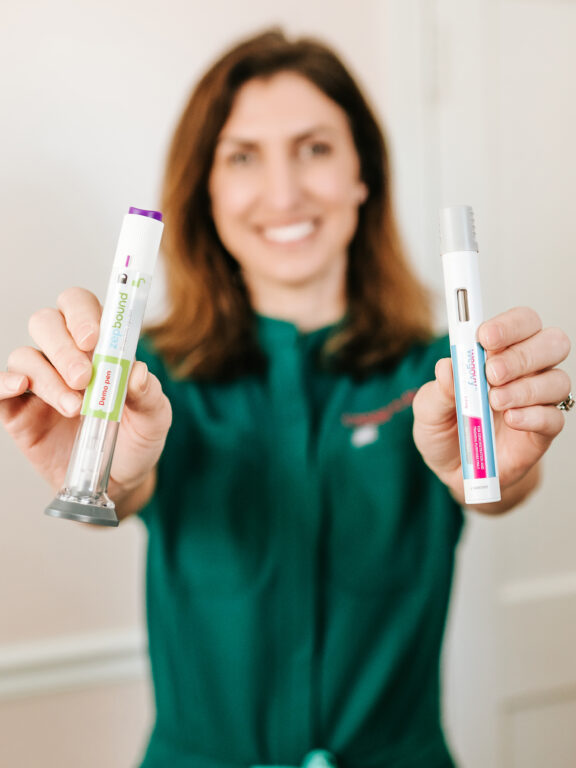
- GLP-1 medications such as semaglutide (Ozempic®, Wegovy®), tirzepatide (Mounjaro®, Zepbound®), and oral options (Wegovy® and Foundayo®)
- Phentermine
- Contrave
- Qsymia
- Wellbutrin
- Metformin
Not every medication is right for every patient. Because there’s no single “right” treatment for everyone, your provider will draw from this full range of options to determine what’s clinically appropriate for your health history and goals.
What to Expect During Treatment
Once your plan is underway, treatment is an ongoing, collaborative process rather than a single appointment. You can expect:
- Routine follow-up visits to check in on progress and address any questions or concerns
- Progress monitoring using our InBody scanner, which tracks changes in body composition (not just weight on the scale, but shifts in muscle mass and fat) so your plan can be adjusted based on real data
- Medication adjustments when necessary, including thoughtful, gradual dose escalation to help you get the full benefit of treatment while minimizing side effects
- MIC (vitamin) injections to support energy levels and help manage side effects along the way
- Supplement Guidance to help manage side effects and muscle wasting (e.g. creatine, collagen, and other vitamins)
- Ongoing support and accountability to help you stay on track between visits
This kind of active, hands-on monitoring is a key difference between medical weight loss and going it alone; your plan isn’t static, and adjustments happen based on how your body is actually responding.
When Will You Start Seeing Results?
Results vary from person to person, and healthy, sustainable weight loss happens gradually, not overnight. Your provider will help you set realistic expectations based on your starting point, treatment plan, and goals.
It’s also worth remembering that success isn’t measured by the scale alone. Many patients notice improvements in energy, mobility, sleep, and overall quality of life well before (or alongside) significant changes in weight. Tracking body composition through tools like the InBody scanner can also help highlight meaningful progress, like increases in lean muscle mass, that the scale doesn’t capture on its own.
What Happens After You Reach Your Goal Weight?
Reaching your goal weight isn’t the finish line, it’s a shift into a new phase of care. Long-term maintenance is just as important as the initial weight loss phase, and it’s supported by continued healthy habits and ongoing follow-up care.
Your provider will work with you to adjust your plan for maintenance, whether that means continuing certain medications at a maintenance dose, tapering off others, or shifting focus more heavily toward lifestyle habits. The goal is to help you keep the results you’ve worked hard for, not just achieve them once.
Why Weight Loss Guided by Medical Professionals Produces Better Long-Term Results
Medical oversight makes a meaningful difference in long-term success. With a medically supervised program, you have a provider actively monitoring your progress, adjusting your plan as needed, and helping you navigate challenges along the way, whether that’s managing side effects, troubleshooting a plateau, or reassessing your plan as your goals evolve.
This level of personalized, evidence-based care and accountability is difficult to replicate with a generic program, and it’s a major reason medically supervised weight loss tends to produce results that last.
Start Your Medical Weight Loss Journey
Every successful weight loss journey starts with a personalized evaluation, not a generic plan. At Cassie Lane Med Spa, our approach includes InBody body composition tracking, supplement guidance, MIC injections to support energy and side effect management, and specialized weight loss providers who know how to navigate plateaus and adjust treatment as your needs change. Schedule a consultation with us today!