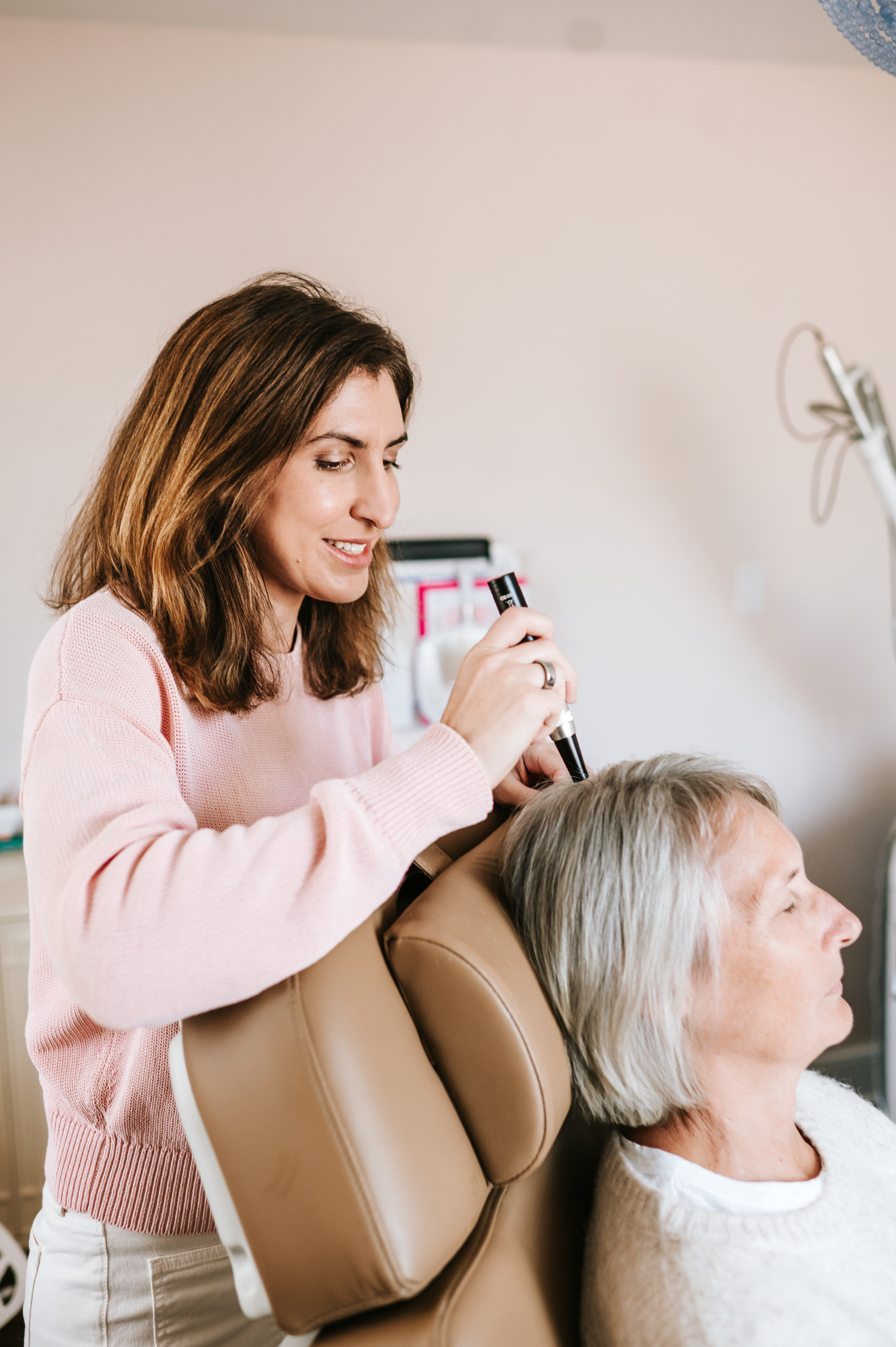
Thinning hair is far more common in women than many people realize. It can show up at almost any stage of life: after pregnancy, during a stressful season, around menopause, or gradually over many years. For some women it starts as extra hair in the shower drain. For others, it’s a part that looks a little wider or a ponytail that feels a little thinner.
Whatever it looks like, hair thinning can take an emotional toll. The good news is that there are more ways to treat thinning hair in women today than ever before. The key is understanding what’s behind it. Hair thinning is rarely caused by just one thing. Hormones, genetics, stress, nutrition, medical conditions, and styling habits can all play a role, and often several factors overlap.
That’s why effective treatment starts with identifying the cause. In this guide, we’ll walk through the most common reasons women experience thinning, how it’s diagnosed, and the treatment options available, from medical therapies like minoxidil to professional hair restoration treatments. We’ll also explain how a personalized plan that addresses multiple contributing factors can help you make informed decisions about your hair.
What Causes Thinning Hair in Women?
Hair thinning in women is usually multifactorial, meaning more than one cause is often at work at the same time. Some of the most common contributors include:
- Female-pattern hair loss: The most common cause of gradual thinning in women. It’s influenced by genetics and hormones and typically shows up as reduced density at the part and crown rather than a receding hairline.
- Hormonal changes: Shifts during perimenopause and menopause, conditions like polycystic ovary syndrome (PCOS), and changes in birth control can all affect the hair growth cycle.
- Postpartum shedding: Many women notice significant shedding a few months after giving birth as hormone levels normalize. It’s usually temporary, though it can unmask underlying thinning.
- Stress: Physical or emotional stress, illness, surgery, or rapid weight loss can push more hairs into the resting phase at once, leading to noticeable shedding a few months later (a condition called telogen effluvium).
- Nutritional deficiencies: Low iron, vitamin D, protein, and certain other nutrients can contribute to thinning and shedding.
- Thyroid conditions: Both an underactive and overactive thyroid can affect hair growth.
- Certain medications: Some blood pressure medications, antidepressants, and other drugs list hair thinning as a possible side effect.
- Styling damage: Tight hairstyles, frequent heat styling, bleaching, and harsh chemical treatments can cause breakage or, over time, traction-related hair loss.
The cause matters because it shapes the treatment. Shedding from a vitamin deficiency calls for a different approach than genetic female-pattern hair loss, and when several factors overlap, the most effective plan usually addresses more than one of them.
How to Recognize the Early Signs of Hair Thinning
Hair thinning in women often develops gradually, which makes it easy to dismiss at first. Common early signs include:
- A part that looks wider than it used to
- A ponytail that feels thinner
- More hair than usual on your pillow, in the shower, or in your brush
- Reduced volume around the crown
- More visible scalp, especially under bright lighting or in photos
If you notice any of these changes, it’s worth having them evaluated sooner rather than later. Early assessment can help identify the cause while there are more treatment options available, and it can help you avoid spending months on products that don’t address the real issue.
How Is Thinning Hair in Women Diagnosed?
A thorough evaluation is the foundation of any effective treatment plan. When you meet with a provider about hair thinning, the assessment may include:
- Medical history: Questions about when the thinning started, recent life events, pregnancies, menstrual changes, illnesses, and family history of hair loss.
- Scalp examination: A close look at the scalp and hair to assess the pattern of thinning, hair density, breakage, and signs of inflammation or other scalp conditions.
- Medication and supplement review: Identifying anything you take that could be contributing to shedding.
- Laboratory testing: When appropriate, bloodwork to check factors like iron levels, thyroid function, vitamin levels, and hormones.
This process helps distinguish between different types of hair loss and uncovers overlapping causes, so your treatment is matched to what’s actually driving your thinning.
What Are the Best Treatments for Thinning Hair in Women?
There’s no single best treatment for every woman. The right option depends on your diagnosis, how advanced the thinning is, your overall health history, and your goals. Because hair thinning is often driven by several factors at once, many women see the most benefit from a plan that combines approaches. At Cassie Lane Med Spa, that’s how we approach hair restoration: by looking at the full picture and addressing multiple contributing causes rather than relying on a single product.
Here’s an overview of the main treatment categories.
Minoxidil and Other Medical Treatments
Topical minoxidil is one of the most established, well-studied treatments for female-pattern hair loss and is available over the counter. It’s thought to work by prolonging the growth phase of the hair cycle and supporting hair follicles, which can help slow thinning and, for some women, improve density. Alongside topical treatments, there are other oral medications like spironolactone and oral minoxidil.
Consistency is essential. Minoxidil typically needs to be used daily for several months before results become visible, and benefits usually fade if treatment is stopped. Some women notice a temporary increase in shedding during the first weeks, which is generally a sign that the hair cycle is resetting.
Depending on your diagnosis and health history, a provider may also consider prescription treatments, such as medications that address hormonal contributors to hair loss. These aren’t right for everyone and require a medical evaluation to determine whether they’re appropriate.
PRP Hair Restoration
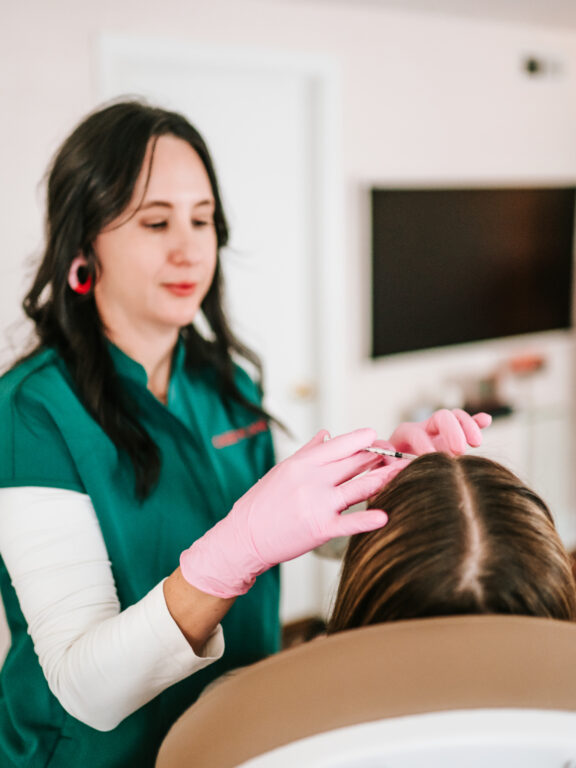
Platelet-rich plasma (PRP) therapy uses components of your own blood to support the scalp. A small amount of blood is drawn, processed to concentrate the platelets, and then injected into areas of thinning. Platelets contain growth factors that are believed to help stimulate hair follicles and support healthier growth.
PRP is usually performed as a series of sessions followed by periodic maintenance treatments. It may be a good option for selected patients, particularly those with early to moderate thinning. However, research is still evolving, and results vary from person to person. A provider can help you decide whether PRP is a reasonable fit for your type of hair loss.
Professional Hair Restoration Treatments
For women looking for a professional option that can be part of a broader plan, Cassie Lane Med Spa offers DE|RIVE hair restoration. DE|RIVE is an exosome that is a drug-free, plant-based hair support system that reduces inflammation, helps with angiogenesis (new blood vessels to improve blood flow), pushes your hair out of the dormant or shedding phase to the growth phase, and helps fortify your scalp so you have the right “soil” for hair growth.
Treatment combines an in-office application of a concentrated hair support serum to the scalp, often paired with a scalp microneedling treatment to help the serum penetrate, with a daily at-home regimen. The take-home routine includes a support serum along with a shampoo and leave-in conditioner designed to complement in-office care. The serum’s plant-based formula is intended to help calm scalp inflammation, support hydration and circulation, and create a healthier environment for existing follicles.
DE|RIVE can be used on its own or alongside other treatments, such as minoxidil or nutritional support, depending on what’s contributing to your thinning. Like any hair restoration treatment, results vary, and it works best as part of an individualized plan built around your diagnosis.
Nutrition, Supplements, and At-Home Care
What you put into your body and how you care for your hair can make a real difference, especially when thinning is linked to deficiencies or damage.
- Correct documented deficiencies: If testing shows low iron, vitamin levels, or other nutrients, treating the deficiency can help reduce shedding.
- Eat for healthy hair: Adequate protein, iron, and overall calories support the hair growth cycle. Restrictive dieting and rapid weight loss can trigger shedding.
- Be cautious with supplements: Hair supplements are not a universal solution. Taking more of a nutrient than you need won’t speed growth, and some, like high-dose biotin, can interfere with certain lab tests. Supplements should never replace an evaluation of the underlying cause.
- Treat your hair gently: Limit heat styling, tight hairstyles, and harsh chemical services, and use a wide-tooth comb on wet hair to reduce breakage.
How Do You Know Which Hair Restoration Treatment Is Right for You?
Choosing a treatment isn’t about picking the most popular option. It’s about matching care to what’s actually happening with your hair. A provider will consider:
- The type of hair loss: Female-pattern thinning, stress-related shedding, and traction damage each respond to different approaches.
- Contributing health factors: Hormonal shifts, thyroid function, nutritional status, and medications may all need attention.
- Scalp condition: Inflammation, dryness, or buildup can affect how well the scalp supports healthy growth.
- Medical history: Pregnancy, breastfeeding, and certain health conditions can rule some treatments in or out.
- Your goals: Whether you want to slow shedding, maintain what you have, or improve overall density shapes the plan.
Because thinning hair in women is so often caused by a combination of factors, a single treatment isn’t always enough. Some women do well with one targeted approach, while others benefit from combining medical care, nutritional support, and professional hair restoration. Our approach at Cassie Lane is designed to address those overlapping causes together, so your plan reflects the full picture rather than just one piece of it.
How Long Does It Take to See Hair Regrowth Results?
Patience is part of the process. Hair grows slowly (roughly half an inch per month) and follicles move through a natural growth cycle, so changes take time to become visible.
Most treatments require at least three to six months of consistent use before you notice a difference, and it can take a year or longer to see the full effect. Early signs of progress are often subtle, such as less shedding, before improvements in density become noticeable.
Timelines vary depending on your diagnosis, the treatments used, and how your body responds. Results cannot be guaranteed, which is why regular follow-up visits matter. They allow your provider to track progress with photos and adjust your plan if needed.
Can Thinning Hair in Women Be Prevented From Getting Worse?
Not every cause of hair thinning can be prevented. Genetics and hormonal changes, for example, are outside your control. But there are practical steps that can reduce avoidable damage and help you protect the hair you have:
- Use gentle hair care products and avoid aggressive brushing, especially when hair is wet
- Limit tight ponytails, braids, buns, and extensions that pull on the scalp
- Reduce heat styling and space out harsh chemical treatments like bleaching and relaxers
- Address nutritional deficiencies identified through testing
- Manage stress where possible and prioritize sleep
- Seek help early if shedding persists for more than a few months
For progressive conditions like female-pattern hair loss, early assessment and treatment can help slow the process and preserve density. The sooner you understand what’s driving your thinning, the more options you’ll have.
When Should You Seek Professional Help for Thinning Hair?
Some shedding is normal. Most people lose 50 to 100 hairs a day. But it’s a good idea to schedule an evaluation if your hair thinning is:
- Sudden: Large amounts of hair falling out over a short period
- Persistent: Shedding that continues for more than a few months
- Rapidly worsening: A part or crown that’s visibly thinning month to month
- Patchy: Round or irregular bald spots
- Accompanied by other symptoms: Scalp pain, burning, itching, redness, or scaling, or body-wide symptoms like fatigue, weight changes, or irregular periods
These signs can point to underlying conditions that need medical attention, such as thyroid disorders, autoimmune conditions, or scalp inflammation. A professional assessment can help identify those causes and make sure you’re getting the right care, including a referral to a dermatologist or your primary care provider when needed.
Start Your Personalized Hair Restoration Journey
There’s no one-size-fits-all solution for thinning hair, because there’s rarely just one cause. Hormones, genetics, stress, nutrition, scalp health, and daily habits can all work together, and the most effective treatment plans account for that.
At Cassie Lane Med Spa, we take a whole-picture approach to hair restoration. We look at the many factors that may be contributing to your thinning and build a personalized plan that addresses them together, whether that includes DE|RIVE hair restoration, medical treatments, nutritional support, or a combination. Our goal is to help you understand what’s happening, set realistic expectations, and feel confident about your next steps.
Ready to take the first step? Schedule a call with Cassie Lane Med Spa to discuss your concerns and start building your personalized hair restoration plan.